Building and managing an NGO requires more than passion and commitment. While the desire to create social change is the foundation of every organisation, long-term success depends on access to the right knowledge, systems, documentation, and professional resources.
Many NGOs struggle not because they lack dedication, but because they lack access to:
A well-organised NGO can create greater impact when it has the right tools at every stage of its journey.
The NGO Knowledge Hub serves as a comprehensive resource centre designed to support NGOs, social entrepreneurs, volunteers, and community leaders with practical resources that simplify operations and strengthen social impact.
An NGO Knowledge Hub is a centralised platform containing essential information, tools, and resources required to establish, manage, grow, and sustain a nonprofit organisation.
It acts as a practical NGO toolkit where organisations can access:
Instead of searching across multiple platforms, NGOs can access everything they need from one structured knowledge ecosystem.
Many small and emerging NGOs spend significant time creating documents from scratch.
A resource hub provides ready frameworks for:
This allows organisations to focus more time on community impact.
Professional documentation builds trust among:
A properly structured NGO appears more credible and capable.
NGOs must follow various legal and administrative requirements.
Access to compliance resources helps organisations maintain:
A complete NGO toolkit can be divided into different categories:
Starting an NGO requires understanding legal structures, registrations, and documentation.
Essential resources include:
A step-by-step guide covering:
Important templates:
Includes guidance on:
Strong internal systems help NGOs operate efficiently.
Useful NGO templates include:
Successful NGOs require structured project management.
Essential resources include:
A professional proposal should include:
Resources include:
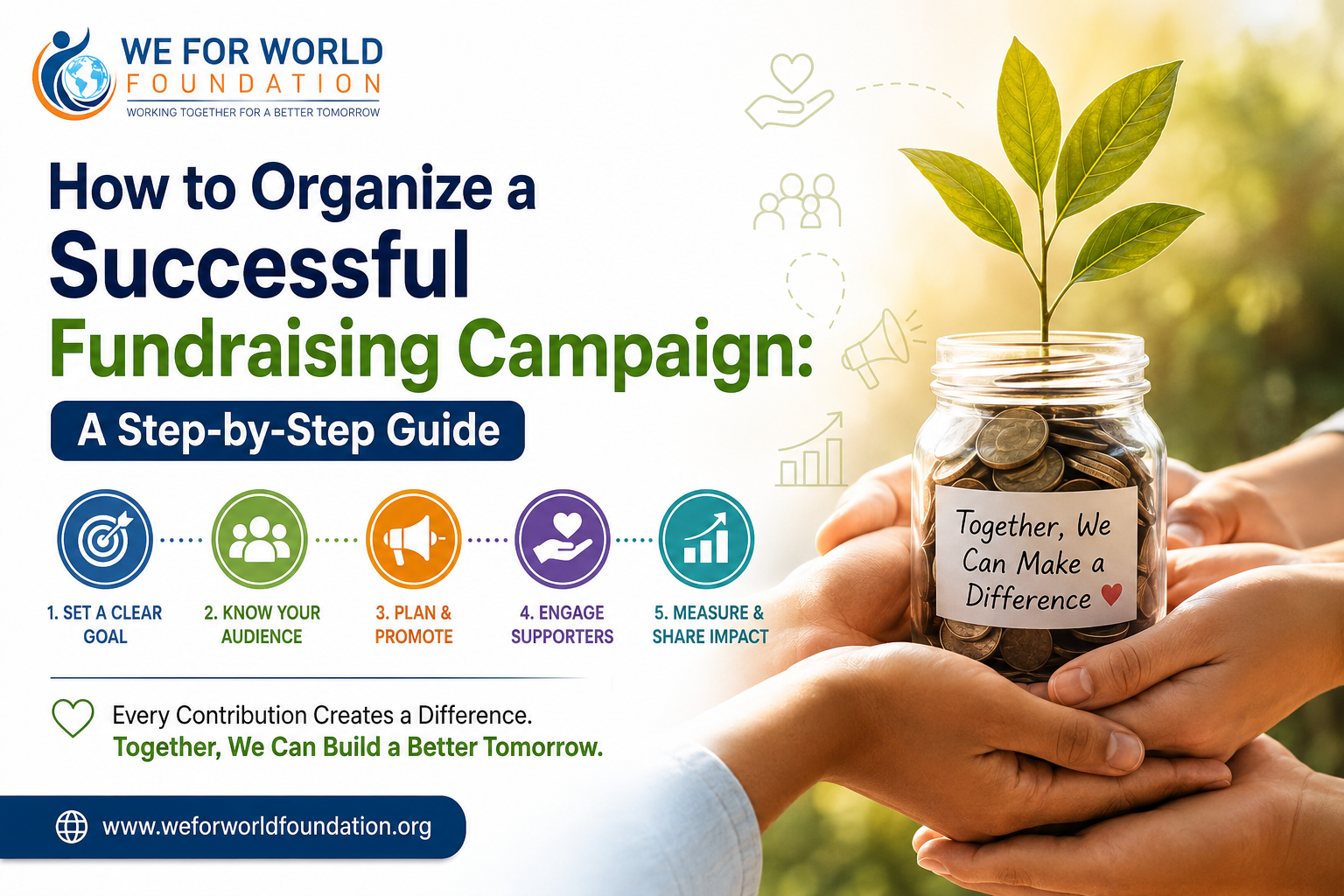
Fundraising is one of the biggest challenges for NGOs.
A fundraising toolkit helps organisations build sustainable funding strategies.
Resources include:
Useful for approaching companies for CSR partnerships.
Includes:
Includes:
Creating awareness is essential for attracting supporters.
Resources include:
Includes:
Volunteers are the backbone of many NGOs.
Useful resources include:
A structured volunteer system improves retention and engagement.
A professional NGO should stay connected with relevant government platforms and resources.
Important categories include:
Resources related to:
Information regarding:
NGOs can explore:
An organisation grows when its people grow.
Training resources include:
Capacity building transforms small NGOs into stronger institutions.
✓ Define mission and objectives
✓ Select legal structure
✓ Complete registration process
✓ Create governance framework
✓ Open official bank account
✓ Develop operational policies
✓ Build website and communication channels
✓ Maintain financial records
✓ Complete required filings
✓ Conduct audits
✓ Maintain donor records
✓ Keep project documentation updated
✓ Build partnerships
✓ Measure impact
✓ Develop fundraising strategies
✓ Train team members
✓ Improve digital presence
A resource platform does more than provide documents. It creates a stronger ecosystem where NGOs can:
Knowledge sharing strengthens the entire social sector.
An NGO resource hub is useful for:
To build professional systems from the beginning.
To improve operations and compliance.
To understand NGO processes.
To develop sustainable social impact models.
To identify better partnership opportunities.
To understand nonprofit management.
Many NGOs lose opportunities because they cannot present professional documents.
Poor record management can create legal and operational problems.
Incomplete proposals reduce chances of receiving grants and partnerships.
Without systems, organisations depend heavily on individuals rather than processes.
The future of the nonprofit sector will depend on collaboration and accessibility of knowledge.
Digital NGO resource platforms can help create:
Sharing knowledge allows every organisation, regardless of size, to improve.
NGO resources include templates, guides, documents, tools, checklists, and information that help organisations operate effectively.
NGO templates provide professional formats for proposals, reports, policies, agreements, and documentation, saving time and improving quality.
A complete NGO toolkit should include legal resources, compliance guides, fundraising templates, project management tools, HR resources, and communication materials.
Small NGOs can access professional resources that help them improve management, attract funding, maintain compliance, and increase impact.
Yes. Proper documentation and reporting systems improve accountability and build trust among donors, partners, and communities.
This article is created for educational and awareness purposes. NGO registration procedures, legal requirements, and government regulations may differ depending on location and organisational structure. NGOs should consult qualified professionals for specific legal and compliance guidance.
Social change requires compassion, but sustainable impact requires knowledge, systems, and collaboration.
An NGO equipped with the right resources can work more efficiently, build stronger partnerships, and create greater impact in society.
The WFWF Knowledge Centre believes that empowering NGOs with practical knowledge, professional tools, and accessible resources is essential for building a stronger social ecosystem.
When NGOs have the right information, they do not just run programmes — they build movements for lasting change.